Onsite vs Remote: Which Model Should Businesses Choose?
Dec 11, 2025 |
3,597 views
Comparing onsite vs remote helps businesses choose the right working model based on cost, management, and productivity. This article analyzes the advantages and disadvantages of onsite and remote models to optimize project efficiency.
Table of Contents
As technology companies accelerate team expansion and shorten product development cycles, choosing between onsite vs remote becomes a factor that directly impacts operational performance. Each model offers different benefits in terms of cost, management capability, and productivity. While the onsite model provides direct interaction and stronger control, the remote model offers flexibility and significant cost savings. To make the right decision, businesses need to understand the strengths and weaknesses of both models and how each one affects the product development process.
Onsite vs Remote in the onsite model – Better control but higher cost
For projects requiring close collaboration, continuous business discussions, or strict security, the onsite model often delivers superior effectiveness. When teams work together in the office, businesses can easily monitor progress, resolve issues, and maintain synchronization in workflows. In the comparison of onsite vs remote, onsite enables seamless interactions among BA, PM, developers, and QA, helping minimize miscommunication and accelerating sprint completion.
However, the onsite model comes with higher operating costs, including office space, equipment, and allowances. Geographic limitations also restrict the talent pool, making recruitment more difficult when the market lacks IT manpower.
Onsite provides higher control in the comparison of onsite vs remote
Remote – Cost flexibility and expanded talent access
The remote model offers significant flexibility for businesses aiming to optimize costs and expand hiring capabilities. Instead of relying on local talent, businesses can recruit developers from other cities or countries, which is especially valuable in a tight IT labor market. Operational expenses are noticeably reduced by eliminating office space, equipment, and allowances.
However, to make remote work effectively, businesses must establish clear governance systems, transparent reporting, and appropriate communication tools to maintain cohesion throughout each sprint. Without strong processes, remote work can create gaps that lead to misaligned requirements and delayed timelines.
Remote suits businesses seeking cost flexibility when choosing between onsite vs remote
Which model delivers higher productivity – Onsite or Remote?
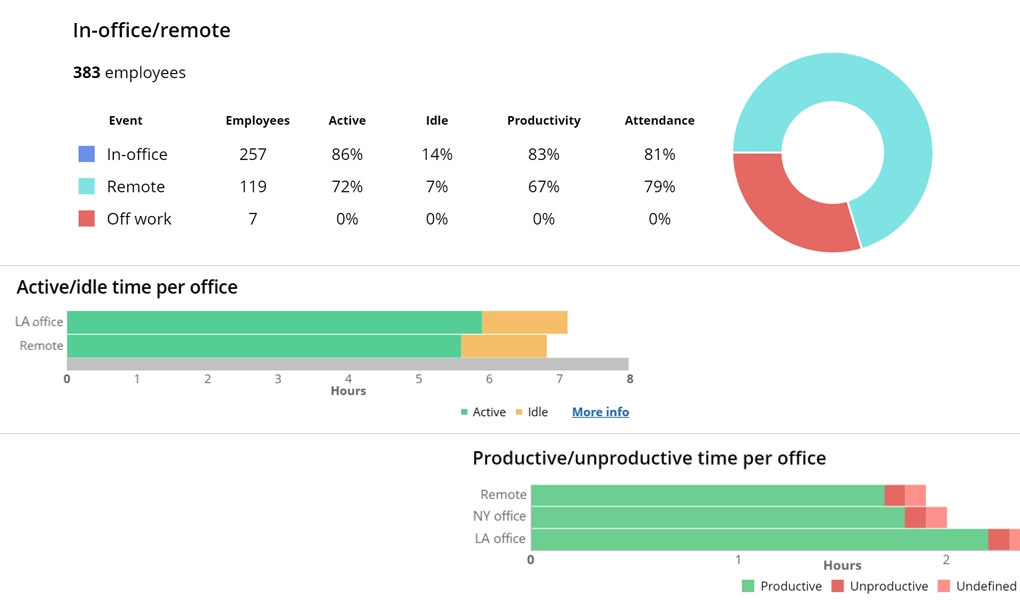
Team productivity depends on project nature, business complexity, and work culture. Projects that require cross-department collaboration, real-time updates, or high security often achieve higher performance with the onsite model. Meanwhile, technical projects with stable requirements or strong Agile processes benefit from remote work, where team members can focus deeply and work more autonomously.
In the onsite vs remote comparison, businesses must consider internal process maturity, communication capability, and expectations for development speed. Some companies choose the hybrid model to leverage the advantages of both—maintaining essential interaction while optimizing cost.
Productivity varies by project type when businesses compare onsite vs remote
Insights from HRI Vietnam
From experience operating onsite and remote projects in Vietnam, Japan, and Singapore, HRI Vietnam observes that no model is absolutely superior. Businesses should choose based on project characteristics, management capabilities, and growth expectations. For high-security projects or those involving complex cross-functional workflows, onsite is the more stable option. For technical projects with strict Agile processes, remote offers clear benefits in cost and talent supply.
HRI Vietnam also notes a trend toward hybrid adoption, as many businesses seek a balance between interaction and cost optimization. With high-quality engineers and standardized workflows, HRI supports businesses in operating effectively in both models.
Should businesses choose onsite or remote?
The decision between onsite vs remote depends on management capability, budget, and project structure. Businesses must evaluate technical requirements, security needs, and coordination levels before selecting the most suitable model. Regardless of the model chosen, the key lies in maintaining quality, controlling progress, and optimizing team productivity.
Consultation for choosing between onsite vs remote
Is your business evaluating onsite vs remote for an upcoming project? HRI Vietnam is ready to provide guidance on the optimal model based on cost, management capability, and product development speed.