


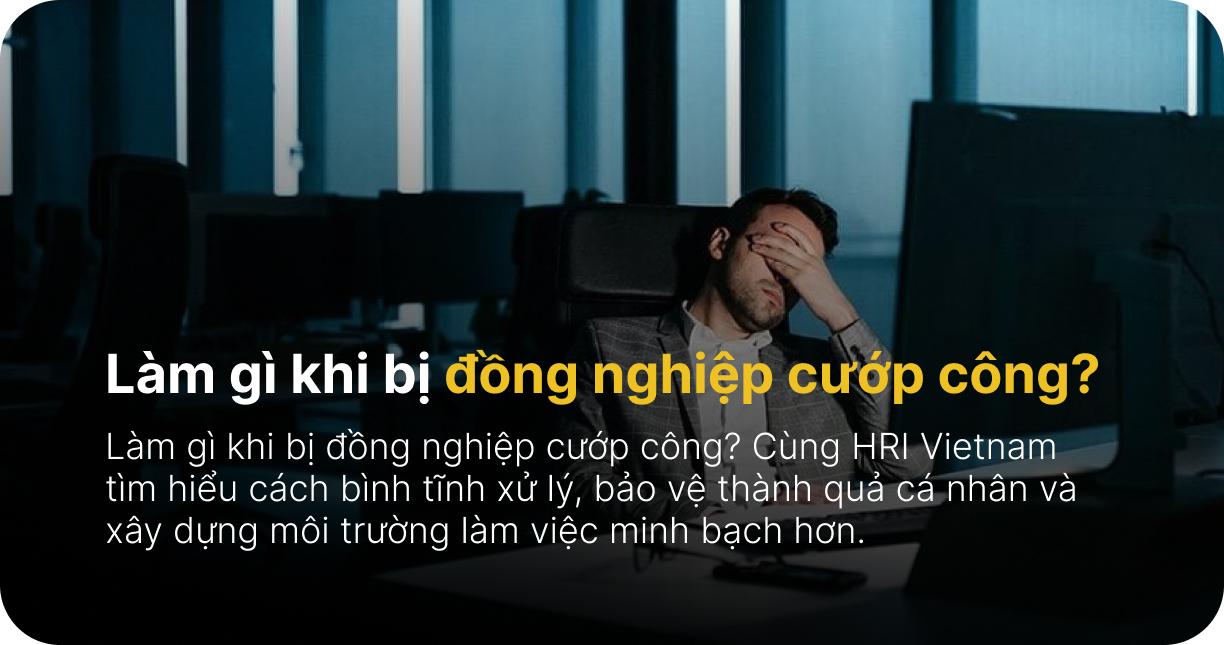




Conflicts with colleagues are often unavoidable in the workplace. Discover the causes, learn tactful ways to handle them, and build a positive workplace culture to maintain professional relationships.
In any workplace, conflicts with colleagues are almost unavoidable. When individuals with different personalities, perspectives, and working styles collaborate within the same team, disagreements are bound to arise. However, what truly matters is not whether conflict occurs, but how we choose to face and resolve it.
If not handled properly, small disagreements can escalate into major conflicts, affecting work performance, team morale, and even the overall workplace culture of an organization. On the other hand, when managed professionally, conflicts can become opportunities to improve communication, foster mutual understanding, and build a more positive working environment.
So, what causes conflicts with colleagues in the first place, and how can they be handled tactfully? The following analysis will help you better understand the issue and apply effective solutions.
In a corporate environment, each employee comes with their own background, experience, working style, and perspective. This diversity can be a strength of a team, but it can also lead to disagreements.
One of the most common causes is differences in communication and collaboration styles. Some people prefer to work quickly and make decisions decisively, while others are more cautious and require time for careful analysis. When these two approaches collide without mutual understanding, misunderstandings can easily occur.
In addition, pressure from KPIs, project deadlines, or competition at work can create tension among team members. When emotions are influenced by stress, negative reactions may appear and intensify conflicts.
Furthermore, a lack of transparency in task allocation or unclear communication can make employees feel undervalued or disrespected. This is another factor that can easily trigger conflicts in workplace culture if not addressed in time.

Conflicts in the workplace do not always appear as direct arguments or confrontations. In many cases, they manifest through subtle signs that gradually affect the overall working atmosphere.
One common sign is the tendency to avoid communication or collaboration. When conflicts arise, some employees may limit interactions with certain colleagues or communicate only at a minimal level. This can make coordination and teamwork more difficult.
Additionally, a cold or distant attitude, delayed responses, or frequent criticism during meetings may also indicate underlying tension. In some situations, conflicts can even be expressed through unhealthy competition or the spread of negative information about one another.
If these signs persist over time, they can negatively affect not only individuals but also the performance of the entire team. Therefore, recognizing conflicts early is the first step toward resolving them effectively.

When conflicts are not handled properly, the consequences often extend beyond the two individuals involved and can affect the entire team. The working atmosphere may become tense, making many employees feel uncomfortable or lose motivation.
A work environment that lacks cooperation can significantly reduce overall team performance. When employees spend too much energy dealing with negative emotions, it becomes difficult for them to focus on their professional responsibilities.
In the long run, prolonged conflicts can also weaken workplace culture. A company with a positive culture usually promotes respect, transparency, and collaboration. If conflicts are not properly managed, these core values may gradually deteriorate.
Therefore, resolving workplace conflicts is not only a personal matter but also an important factor in maintaining a healthy and productive work environment.
To deal with conflicts at work, the first step is to stay calm and evaluate the situation objectively. When emotions are running high, arguments often make the situation even more tense.
Take time to reflect on the real cause of the issue. Sometimes conflicts do not arise from bad intentions but simply from misunderstandings in communication.
Once you have calmed down, you can take the initiative to discuss the issue directly with your colleague. An honest yet respectful conversation can help both sides better understand each other’s perspectives. During the discussion, focus on the work-related problem rather than criticizing the individual.
In addition, listening is just as important as expressing your own viewpoint. When you genuinely listen, it becomes easier to find a common solution instead of simply trying to defend your position.
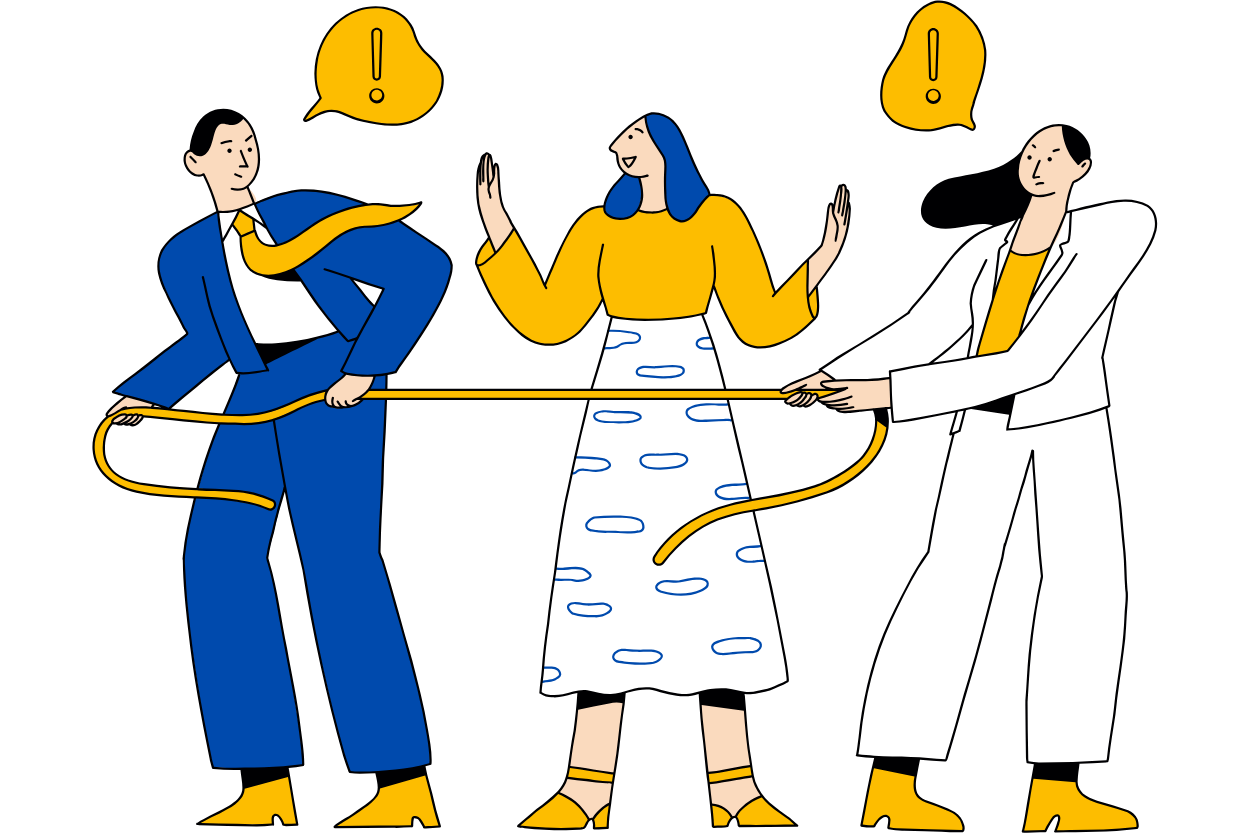
In many cases, workplace conflicts can be resolved through direct communication between the parties involved. However, if the conflict persists or begins to seriously affect work performance, seeking support from a manager becomes necessary.
Managers can act as neutral mediators who help assess the situation objectively and propose appropriate solutions. When presenting the issue to your supervisor, it is important to focus on specific facts and avoid expressing excessive negative emotions.
The goal of asking for support is not to “report” or accuse a colleague, but to find a constructive solution so that work can proceed more smoothly. Taking a professional approach will help you maintain a positive image in the eyes of both your manager and your coworkers.
To reduce workplace conflicts, individuals should actively develop clear communication habits and respect differences among team members. Sharing information transparently, responding in a timely manner, and being willing to support each other can prevent many unnecessary misunderstandings.
At the same time, organizations also need to foster a positive workplace culture where employees feel comfortable expressing their opinions and addressing conflicts in a respectful way. When a workplace emphasizes respect and transparency, disagreements are easier to resolve.
Every employee plays an important role in shaping this environment. When everyone works toward a common goal, individual differences can become complementary strengths rather than sources of conflict.
>>> Read more: Toxic Workplace Culture: When the work environment gradually drains people
Conflicts with colleagues are almost inevitable in the workplace, but how we handle them makes the real difference. When managed skillfully and professionally, conflicts can become opportunities to improve communication and strengthen collaboration.
By staying calm, listening actively, and showing mutual respect, you can not only resolve disagreements but also contribute to building a positive workplace culture. A healthy work environment enables individuals to perform at their best and grow together in a sustainable way.
Customer support: hr@hri.com.vn
Hotline: (+84) 24 7300 6665