





What is workplace ostracism? Learn how to recognize the signs of being isolated at work, understand the causes, and discover smart ways to respond in order to protect yourself and achieve sustainable career growth.
In the workplace, beyond job pressure and career competition, another sensitive yet not uncommon issue is ostracism among individuals or groups. When an employee is avoided, excluded from collaboration, or even isolated, it can seriously affect their mental well-being, work performance, and long-term career development.
However, not everyone can easily recognize that they are being ostracized, as this behavior is often subtle and indirect. So, what exactly is ostracism, what are its signs, and how can you respond effectively? The following content will help you better understand and proactively protect yourself.
Ostracism is the intentional act of avoiding, excluding, or limiting interaction with an individual or a group, often stemming from conflict, bias, or dissatisfaction. In the workplace, ostracism is not always obvious but usually appears in indirect forms such as withholding information, avoiding communication, or excluding someone from group activities.
A key characteristic of ostracism is that it tends to be prolonged and systematic, causing the affected individual to gradually feel isolated and disconnected from the team. This not only harms their mental health but also directly impacts their work performance and career opportunities. If not recognized and addressed in time, it may lead to decreased motivation or even cause employees to leave the organization.
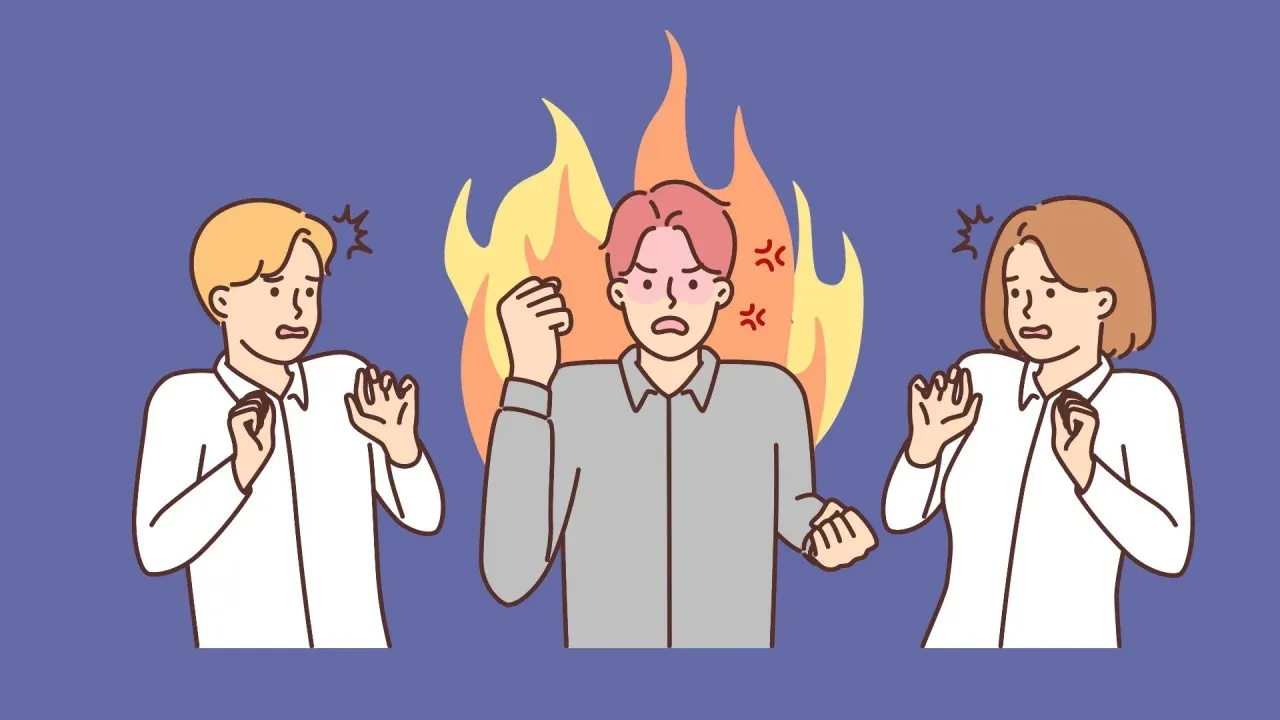
One of the clearest signs of being ostracized is a noticeable change in how colleagues communicate with you. You may find that people talk to you less, avoid eye contact, exclude you from conversations, or only interact when absolutely necessary.
This silence is often not accidental but a sign that you are being “left out” of workplace relationships. Over time, the lack of interaction can make you feel disconnected, making it harder to integrate and collaborate effectively.
When you are being ostracized, you may notice that you are frequently not invited to important meetings, team projects, or social activities such as team building, meals, or company events.
Being “left out” of these activities not only limits your opportunities to demonstrate your abilities but also makes you feel like you are no longer part of the team. This is a common yet often overlooked form of exclusion.
Another sign is when your ideas are consistently overlooked or deliberately ignored. Even when your input is reasonable, a lack of acknowledgment or feedback may indicate that you are being gradually excluded from influence in the workplace.
Over time, this can lead to reduced confidence, lower initiative, and a lack of motivation to contribute.
In more serious cases, ostracism may involve the spread of rumors or negative information about you within the organization. These may be true or false, but they can damage your personal image and relationships with colleagues.
When workplace gossip becomes prevalent, it can lead to complete isolation, making it difficult to rebuild trust and your position within the team.
One of the most common causes of ostracism is unresolved personal conflict or competing interests at work. When disagreements are not addressed transparently, negative emotions can build up and result in avoidance or exclusion.
In highly competitive environments, even small conflicts can escalate into systematic ostracism if left unresolved.
Differences in thinking, opinions, or working styles can also make it difficult for an individual to integrate into a team. If someone’s approach is too different or incompatible, they may be perceived as “out of sync” and gradually pushed aside.
Without mutual understanding and adjustment, this gap can widen and lead to isolation.
In some cases, ostracism does not entirely come from the group but also from the individual. People who lack communication skills, interact less, or do not actively build relationships may unintentionally create distance from colleagues.
Over time, this distance can lead to misunderstandings and eventual exclusion.
A workplace that lacks transparency, does not encourage open communication, or fails to handle conflicts fairly can foster ostracism. Without clear feedback mechanisms, personal conflicts may go unaddressed and evolve into silent exclusion.
This is a systemic issue that can affect the entire organization.
When you realize you may be facing ostracism, the first step is to stay calm and avoid reacting negatively. Take time to observe, assess the situation, and identify possible causes whether they come from yourself or the surrounding environment. Understanding the root of the problem will help you respond more effectively.
Next, proactively improve your communication skills and rebuild relationships with colleagues. Small actions such as initiating conversations, offering help, or participating in group activities can gradually restore connections. At the same time, consider discussing the situation openly with your manager if it goes beyond your ability to handle alone.
If the situation does not improve, you may need to consider finding a more suitable work environment. Most importantly, protect your mental well-being and ensure that you have the opportunity to grow in a positive and supportive workplace.
>>> Read more: Difficult coworkers: 5 common situations and how to handle them tactfully in the workplace
Workplace ostracism is a sensitive issue that can significantly impact both individuals and organizations. Recognizing early signs of exclusion allows you to take proactive steps to protect yourself.
For organizations, building a transparent, respectful, and communicative work environment is essential to preventing such issues. When every individual feels heard and valued, the organization can grow more sustainably and effectively.
Customer support: hr@hri.com.vn
Hotline: (+84) 24 7300 6665