






Social comparison is quietly causing mental burnout in modern work environments. This article analyzes the psychological mechanisms, scientific impacts, and HRI Vietnam’s perspective on how people gradually drain their own energy through constant comparison.
Social comparison is a deeply ingrained psychological response in modern life. A simple glance at social media—seeing colleagues receive promotions, friends showcase achievements, or peers advance faster—can immediately trigger the question: “What about me?” When social comparison happens repeatedly, these silent questions gradually become a major source of mental exhaustion for many people.
In competitive work environments where images of success are constantly displayed, social comparison allows negative emotions to quietly accumulate. Even while continuing to work hard every day, many individuals slowly lose motivation and joy—not because they are doing too little, but because they continuously place themselves on an invisible scale of comparison.
From a scientific standpoint, social comparison is a natural psychological mechanism that helps individuals locate their position within a group. However, when this behavior occurs constantly in high-pressure environments, the brain remains in a continuous state of self-evaluation and latent stress.
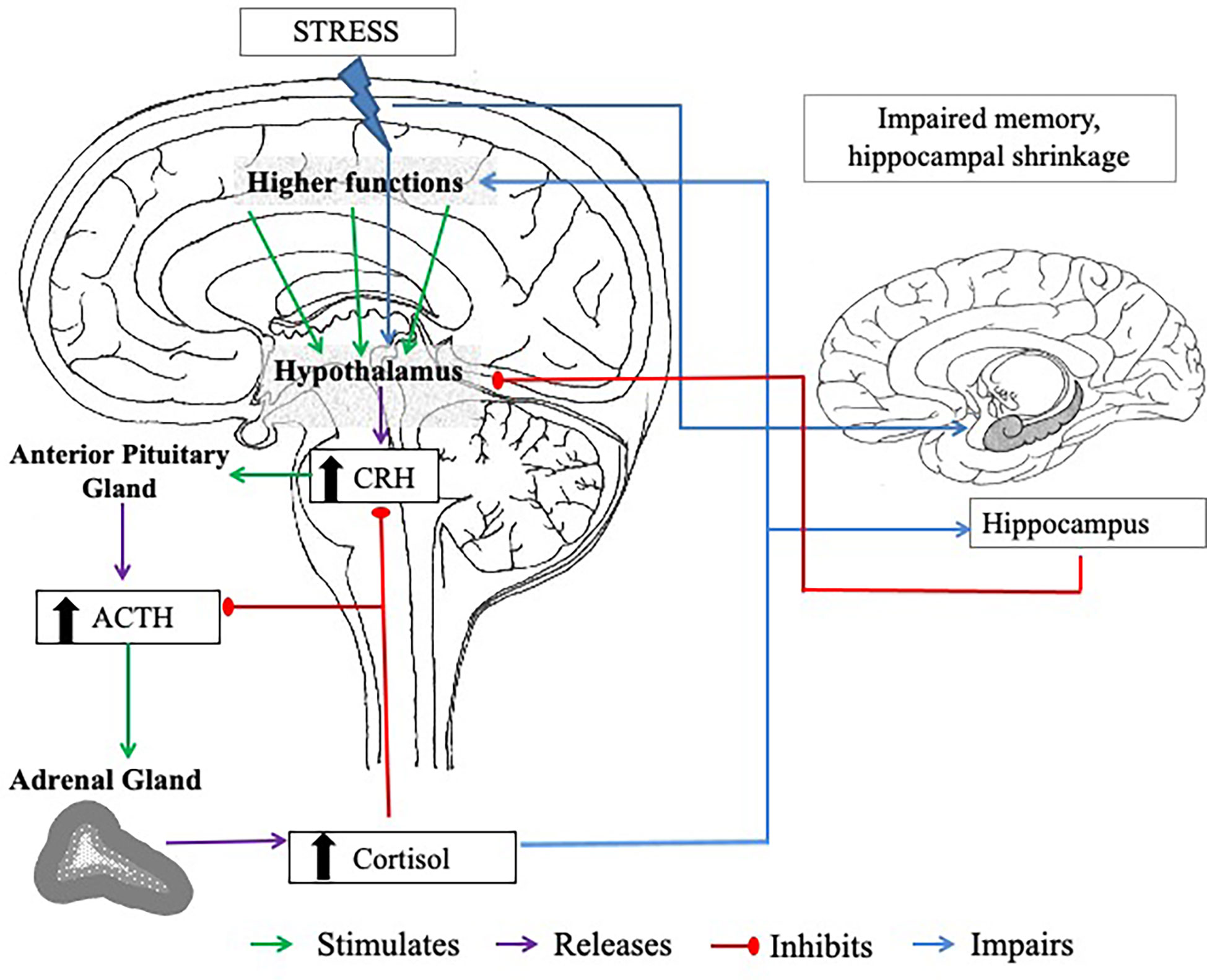
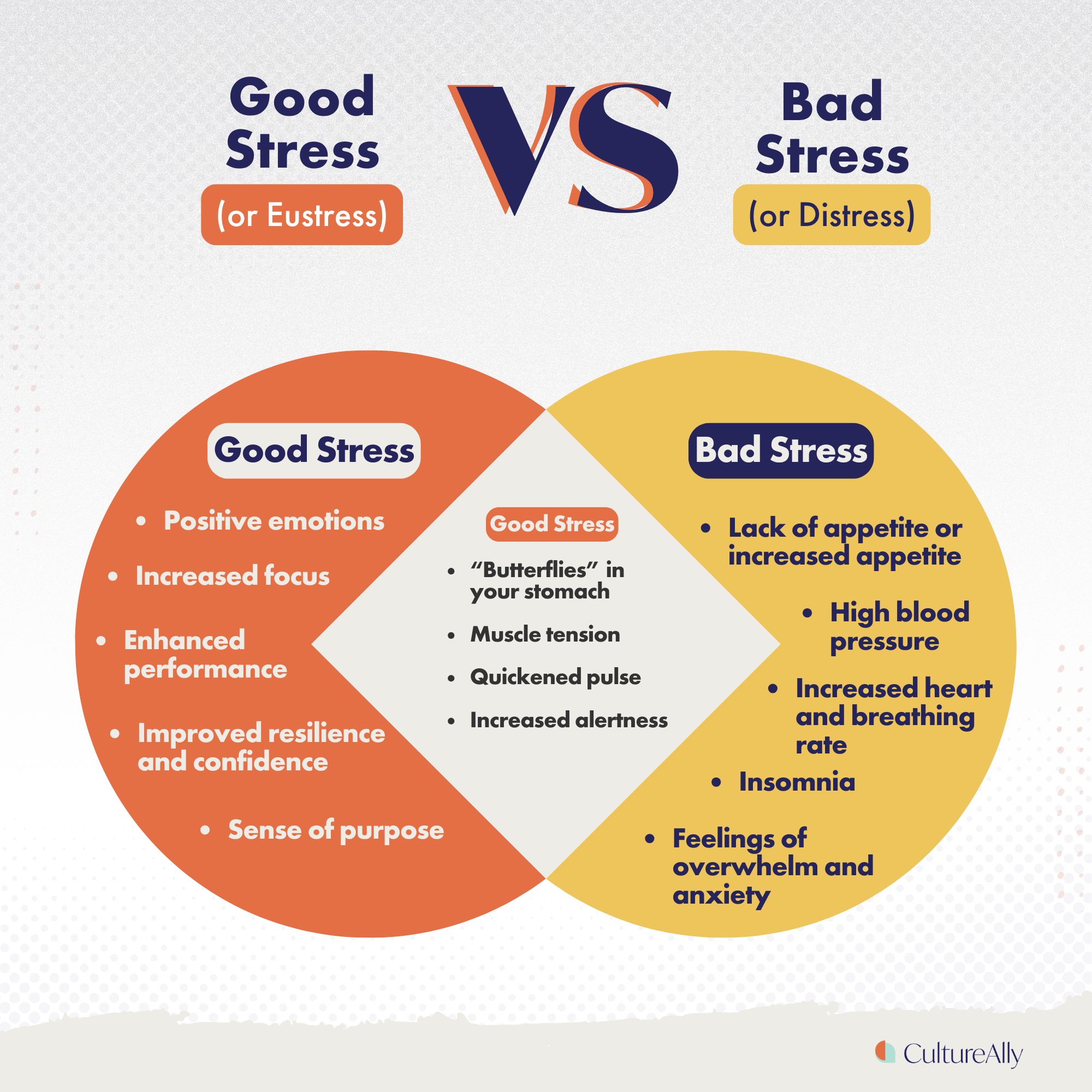
Psychological research shows that when individuals perceive themselves as “inferior” during social comparison, stress responses are activated, increasing anxiety and reducing the sense of control. If this state persists, mental exhaustion does not arise from workload, but from the cumulative psychological pressure built over time.
The most dangerous aspect of social comparison lies in the fact that people usually see only the “successful versions” of others. Promotions, achievements, and ideal lifestyles are constantly highlighted, while the struggles and failures behind them remain largely invisible.
This imbalance causes the brain to reduce dopamine production—the hormone associated with motivation and reward. As a result, feelings of inadequacy, self-doubt, and diminished joy at work begin to surface, even when individuals are still making consistent efforts.
The human brain is highly sensitive to social rewards. Seeing others succeed activates the reward system, but when individuals feel they are falling behind, disappointment appears almost instantly. This neurological mechanism causes many people to unconsciously repeat comparison behaviors, even when they are fully aware of the harm.
In highly competitive environments, this cycle quietly drains mental energy—not because people are working too hard, but because they constantly feel that they are “never enough.”
>>> Learn more: TOP 10 MOST REPUTABLE HEADHUNTING COMPANIES IN VIETNAM 2026
From the perspective of HRI Vietnam-a company consistently ranked among the Top 10 headhunting firms in Vietnam- social comparison has become an indirect but significant contributor to mental exhaustion in modern organizations. Many high-performing professionals leave their jobs not because the workload is overwhelming, but because prolonged self-comparison occurs in environments lacking recognition and balance.
HRI Vietnam believes that organizations aiming for sustainable growth must build cultures that evaluate employees based on individual progress rather than surface-level comparisons. When the pressure of social comparison is properly managed, employees gain the space to restore their mental energy and maintain long-term motivation.
Social comparison does not define human worth, and mental exhaustion is not the inevitable price of success. When individuals learn to focus on their own journeys instead of constantly measuring themselves against others, the exhausting cycle driven by social comparison can gradually be broken.
Customer Support: hr@hri.com.vn
Hotline: 024 7300 6665