Hybrid Model – A Combined Solution Between Onsite and Remote
Dec 11, 2025 |
4,082 views
The hybrid model combines onsite and remote work to help businesses optimize costs, increase productivity, and operate flexibly. This article analyzes onsite remote hybrid, its benefits, when to apply it, and real use cases in technology companies.
Table of Contents
In a context where businesses need to optimize costs while maintaining effective collaboration, the hybrid model has become a standout choice. This is a model that blends working directly at the office with working remotely, allowing businesses to leverage the advantages of both onsite and remote. Many technology, finance, and e-commerce organizations have adopted this model to expand resource capacity, improve productivity, and reduce operational pressure. When analyzing onsite remote hybrid, flexibility is the key factor that makes the model suitable for fast-paced, continuously evolving product development environments.
What is the hybrid model? – A combination of onsite and remote
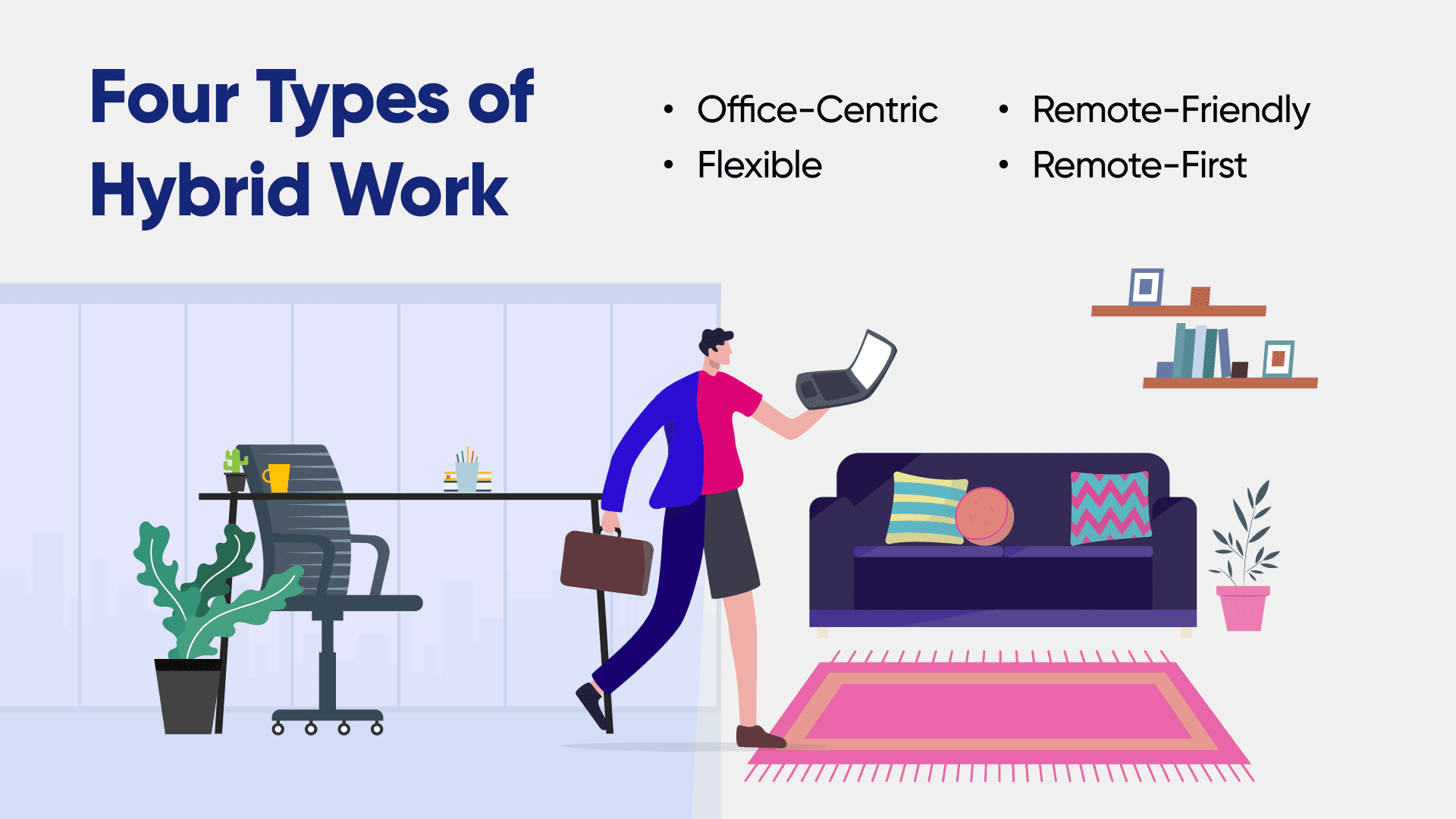
The hybrid model is a working structure in which employees divide their time between the office and remote work. The degree of combination depends on corporate culture, project nature, and communication needs of each team. In product development projects, hybrid allows onsite personnel to focus on business analysis phases, sprint planning, or handling complex requirements, while remote time is used for coding, testing, or technical research.
When considering onsite remote hybrid, businesses can adjust the onsite–remote ratio depending on each project phase, helping reduce costs and optimize productivity.
The hybrid model combining onsite and remote brings flexibility in operations and team collaboration
When should businesses apply the hybrid model?
This model is most suitable when businesses want to balance direct communication and cost optimization. Projects requiring detailed business discussions, frequent brainstorming, or cross-department interaction benefit from fixed onsite sessions during the week. Most technical tasks such as coding, writing test cases, or running automation can be done remotely without affecting progress.
Companies scaling quickly but facing limited office space also prefer onsite remote hybrid to avoid costly infrastructure investments. Additionally, Agile-based technical teams benefit from hybrid because they can be onsite for important meetings and remote during execution phases.
Projects needing a balance between communication and cost are ideal for applying the hybrid model
Benefits of the hybrid model for businesses
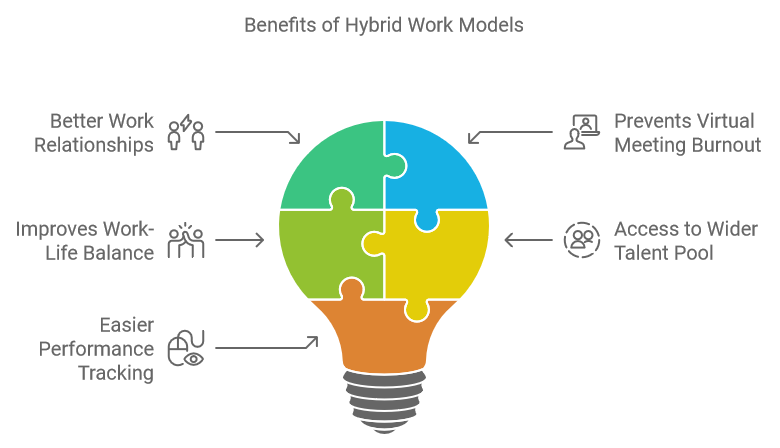
One of the biggest benefits of the hybrid model is the ability to optimize costs without compromising work quality. Businesses can reduce office operating expenses while expanding hiring reach thanks to remote work. Hybrid also improves employee experience, reduces commuting pressure, and enhances personal productivity.
From a management perspective, onsite remote hybrid maintains team cohesion through periodic onsite sessions while preserving the flexibility of remote work. This is especially important for long-term projects where team morale and coordination are crucial.
The hybrid model helps businesses both save costs and increase team productivity
Real use case – Businesses applying the hybrid model effectively
Many technology companies in Vietnam have successfully implemented the hybrid model, especially in Agile-based product development projects. For example, a major e-commerce company maintains three onsite days per week for BA, PM, and the technical team to analyze backlog, clarify user stories, and review sprints. Remote time is used by developers and QA to focus on tasks without frequent meeting interruptions.
A fintech company also applies onsite remote hybrid to address security needs: tasks involving sensitive data are handled onsite, while most coding and testing processes are done remotely to optimize costs. The results showed a nearly 30% increase in release speed while reducing operational expenses significantly.
Real use cases show the hybrid model improves deployment speed and reduces operational costs
Why is the hybrid model the optimal choice for modern businesses?
In balancing cost, productivity, and management capability, the hybrid model provides exceptional flexibility. The combination of onsite and remote helps businesses maintain necessary interaction, expand hiring reach, and reduce operational costs. When designing long-term plans, businesses can view onsite remote hybrid as a suitable solution for projects requiring speed, flexibility, and clear Agile processes.
Consultation for implementing the hybrid model for your business
Does your business want to apply the hybrid model to optimize costs and improve operational performance? HRI Vietnam is ready to support consulting and building an onsite remote hybrid model tailored to each project type.