Emotional Labor - When you have to “perform” your emotions
Jan 06, 2026 |
2,866 views
Emotional labor refers to managing and regulating emotions to meet professional expectations. This article explores its nature, impacts, key strategies, and practical ways to master emotional labor - helping you live more positively in environments that require you to “perform” emotions every day.
Table of Contents
In today’s professional world, many people feel they have to “perform” emotions every day. From customer service representatives and teachers to project managers, adjusting emotions to meet professional expectations rather than simply expressing genuine feelings has become an unavoidable part of modern workplace life. This phenomenon is known as emotional labor, a concept describing the effort required to regulate one’s emotions in order to comply with organizational display rules.
Emotional labor is not merely about trying to appear cheerful when you are not in a good mood. It is a form of mental and emotional work closely linked to performance, customer satisfaction, and even the risk of emotional exhaustion. Understanding the true nature of emotional labor helps you not only perform better at work but also protect your mental well-being and overall quality of life.
What is emotional labor?
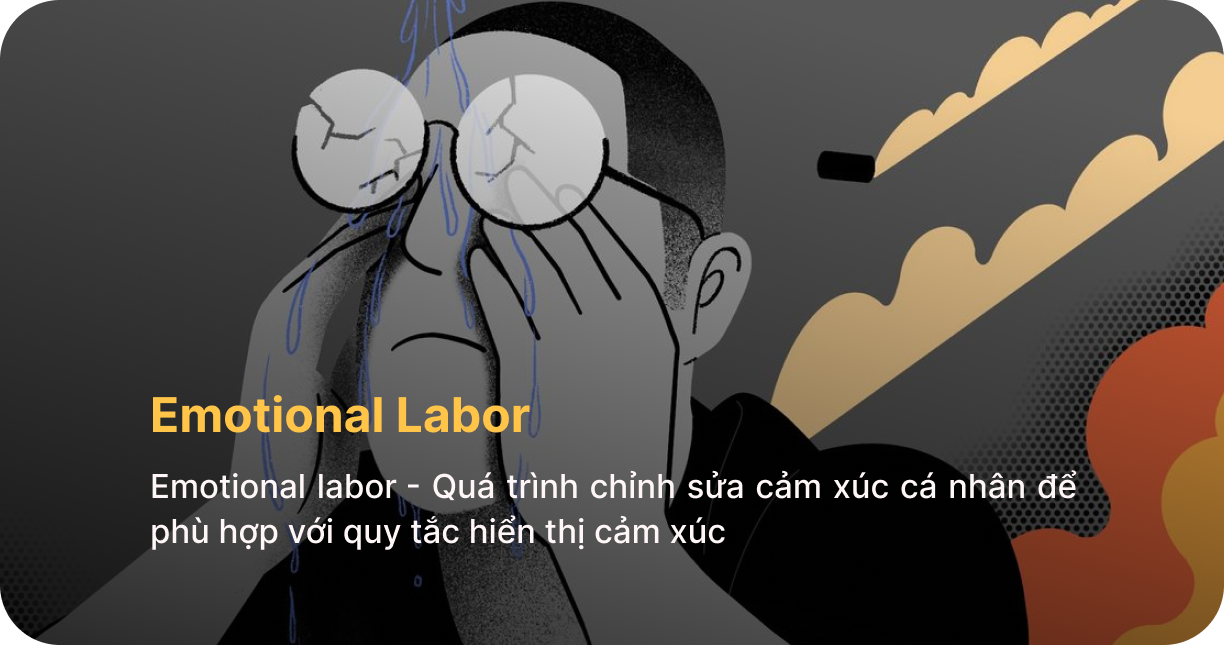
Emotional labor is a term developed in academic research by Arlie Russell Hochschild (1983). It refers to the process of managing and presenting emotions in accordance with professional and organizational expectations. In other words, it involves adjusting personal emotions to align with “display rules”, the emotions a job requires when interacting with others.
This is particularly evident in service industries, where employees are expected to remain friendly and supportive in all situations. However, emotional labor is not limited to customer interactions. It also appears in internal workplace relationships between employees and managers, colleagues, or partners where emotional expectations and norms are equally present.
What Is emotional labor?
Why is emotional labor important in the workplace?
1. Its impact on job performance
Emotional labor directly influences the quality of interactions and services, especially in industries where employees’ emotions significantly shape customer experience. When employees communicate with customers, students, patients, or clients, the emotions they display can convey energy, dedication, and professionalism - creating a positive experience for others.
When emotional regulation is appropriate and authentic, it can foster positive interactions, encourage employee voice and contribution, and even enhance performance by building trust and connection. In this sense, emotional labor is not merely about “managing feelings,” but about shaping meaningful workplace relationships that drive results.
2. Its impact on mental health
While emotional labor can benefit organizations, prolonged emotional regulation may affect employees’ psychological well-being. Constantly adjusting genuine emotions to meet external expectations can create feelings of inauthenticity and mental fatigue. Over time, this may lead to emotional exhaustion - a key component of burnout.
Research suggests that surface acting (faking or suppressing emotions without changing internal feelings) is more strongly associated with stress and psychological strain than deep acting (attempting to genuinely align internal emotions with required expressions). Surface acting often drains emotional resources more quickly because individuals must not only “perform” outwardly but also suppress their true inner experiences.
Deep acting, although generally healthier, can still become mentally taxing if overused, as it requires continuous internal emotional adjustment.
3. Its role in leadership and organizational culture
Emotional labor is not limited to frontline employees, it is also central to leadership behavior. Leaders who manage emotions intelligently and demonstrate appropriate emotional responses can inspire employees, model effective emotional regulation, and foster a harmonious, productive work environment.
This creates a “trickle-down effect,” where emotional patterns demonstrated by leaders influence employees’ emotional climate. When leaders handle emotional labor skillfully, the entire organization benefits from a more positive and constructive emotional culture.
Emotional labor and common consequences
1. Burnout and psychological risks
As mentioned earlier, unmanaged emotional labor can lead to emotional burnout - a state of mental and emotional exhaustion characterized by chronic fatigue, low energy, and reduced job effectiveness.
Studies indicate that both deep acting and surface acting can be linked to burnout, though in different ways. Surface acting often leads to quicker emotional depletion and a stronger sense of inauthenticity. Deep acting, while more sustainable, can still consume psychological energy if employees constantly feel pressured to reshape their internal emotional state.
2. The relationship between emotional labor and engagement
Emotional labor does not only affect individuals, it also influences organizational engagement and behavior. Employees who regularly manage their emotions to align with professional expectations may become more actively involved in workplace interactions, such as demonstrating voice behavior (proactively sharing ideas and feedback), particularly when they feel supported and understand the emotional aspects of their role.
Moreover, strong organizational and leadership support can mitigate the negative effects of emotional labor. When employees feel safe and empowered, they are more likely to express authentic emotions appropriately - strengthening both engagement and overall workplace well-being.
Emotional labor and common consequences
How to manage emotional labor effectively
1. Recognize and understand your emotions
The first step in managing emotional labor effectively is recognizing when you are “performing” emotions and identifying what you genuinely feel inside. Early awareness allows you to consciously choose the appropriate emotional regulation strategy whether surface acting or deep acting without feeling overwhelmed by workplace demands. Self-awareness creates space between stimulus and response, giving you greater control over how you manage emotional expectations.
2. Distinguish between processing and suppressing emotions
Suppressing negative emotions for extended periods can intensify emotional exhaustion. Suppression may appear effective in the short term, but over time it drains psychological energy and increases stress.
Instead, focus on processing emotions constructively - understanding their root causes, discussing concerns when appropriate, or seeking practical solutions. Healthy emotional regulation reduces mental pressure and helps sustain long-term work performance and well-being.
3. Practice deep acting in a natural way
Deep acting involves internally reframing situations to genuinely align your feelings with professional expectations. When done authentically, it reduces the sense of “faking” emotions and lowers the risk of emotional exhaustion over time.
Combining deep acting with emotional intelligence (EQ) enables you to express emotions sincerely while remaining appropriate to the professional context. This balance helps maintain authenticity without compromising workplace standards.
Conclusion
Emotional labor - “performing” emotions is an unavoidable part of modern professional life, particularly in roles that require high levels of social interaction. By understanding its nature, distinguishing between different emotional regulation strategies, and managing emotions intentionally, you can strengthen your soft skills while protecting your mental health and sustaining engagement and productivity.
Emotional labor is not merely about adjusting emotions; it is also an opportunity to cultivate emotional intelligence and achieve balance between personal authenticity and professional expectations.