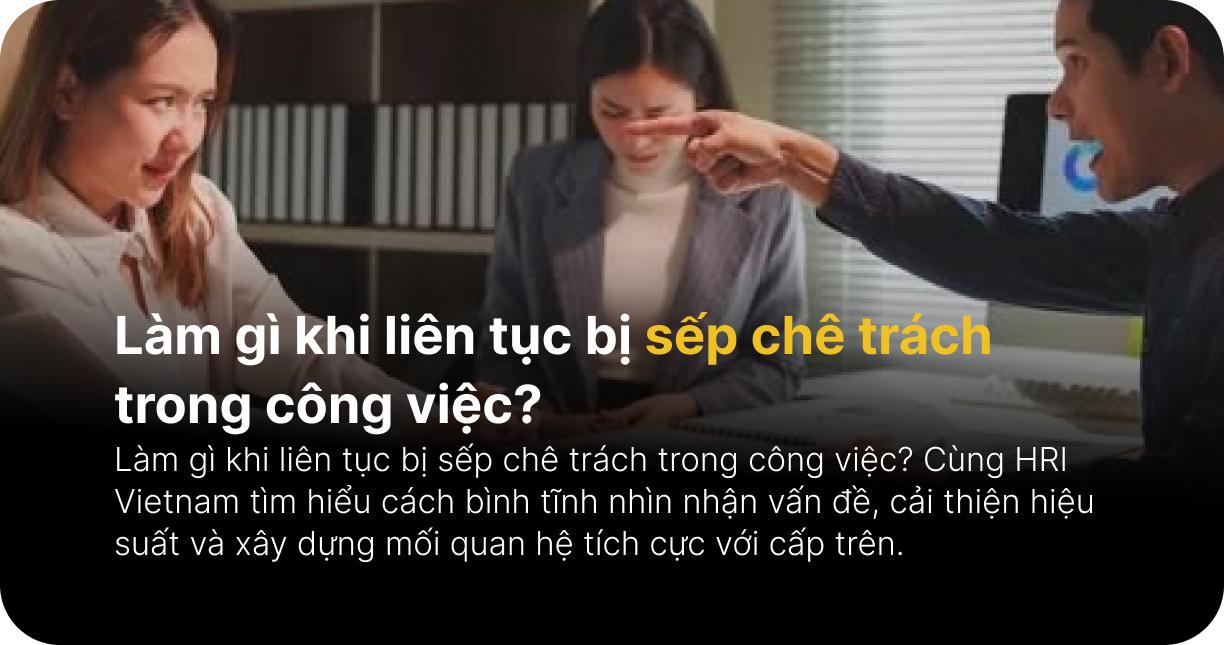


Being a leader is not only about handling a heavy workload but also about dealing with different employee personalities—especially stubborn ones. These employees may be talented, creative, and bring value to the organization, but they can also be difficult to collaborate with, have strong egos, or resist following common rules. If not handled tactfully, this can negatively impact both work performance and team morale. Therefore, finding the right employee management approach not only helps leaders run teams effectively but also contributes to retaining top talent and improving overall talent management within the organization.
1. Understand the root causes of stubborn behavior
Before applying any management methods, leaders need to identify why an employee becomes stubborn. They may be dissatisfied with task assignments, feel that their opinions are not respected, or be under work pressure. Understanding the root cause helps leaders choose appropriate solutions instead of reacting emotionally.
Read more : 5 tố chất bắt buộc để nâng tầm chiến lược quản lý nhân sự
2. Set clear rules and expectations
An effective workplace requires clear rules and defined goals. Leaders should clearly communicate responsibilities, authority, and performance standards. When expectations are transparent, employees better understand their roles and are less likely to engage in inappropriate behavior.
3. Communicate directly but respectfully
Strong-willed employees often want to be heard and respected. Therefore, when conflicts arise, leaders should communicate openly and constructively. Being direct yet tactful helps resolve issues quickly while maintaining mutual respect.
Read more Bật bí cách quản lý nhân viên hiệu quả giúp nâng cao hiệu suất làm việc
4. Stay calm when handling conflicts
Disagreements with employees are inevitable in management. However, if leaders respond with anger or harsh criticism, the situation can escalate. Remaining calm and professional helps managers control the situation and make sound decisions.
5. Apply a transparent reward and discipline system
A fair evaluation system improves talent management effectiveness. When employees understand that efforts are recognized and violations have clear consequences, they are more likely to adjust their behavior and work responsibly.
6. Encourage a collaborative team spirit
Strong personalities often prefer working independently and may overlook collective benefits. Leaders should foster a team-oriented culture and create opportunities for collaboration and mutual support. This helps reduce individual ego and strengthens organizational cohesion.

7. Provide development and training opportunities
Employees are more likely to stay when they see future growth opportunities. Therefore, leaders should invest in training, skill development, and create conditions for employees to maximize their potential. This is key to both team development and talent retention.
8. Dismiss employees when necessary
If an employee consistently shows resistance and negatively affects the team, leaders must make decisive decisions. Termination may be a last resort, but it is sometimes necessary to protect the work environment and ensure organizational stability.
HRI Perspective
Managing stubborn employees is a significant challenge for any leader. However, instead of focusing solely on control or conflict resolution, leaders should adopt a flexible approach and appropriate management strategies. Understanding employees, assigning tasks based on strengths, establishing clear rules, and maintaining respectful communication are key to resolving issues effectively.
In addition, transparent reward–penalty policies and development opportunities play an important role in employee management, talent retention, and improving talent management efficiency. By balancing flexibility with decisiveness, leaders can not only overcome people management challenges but also build a professional and cohesive team.