







“Monday fatigue” is a common psychological state that leaves many people feeling sluggish at the start of the week. This article analyzes the scientific causes, early-week psychology, its impact on work performance, and HRI Vietnam’s perspective on sustainable mental well-being.
“Monday fatigue” is a familiar feeling for many working professionals. On Monday morning, when the alarm goes off, a thought often flashes through the mind: “I wish today were still Sunday…”. This state is not simply laziness. Rather, it reflects a common psychological and biological response in modern society.
In high-pressure work environments, early-week fatigue causes many people to enter the new week feeling heavy, anxious, and unmotivated—even when their workload is not necessarily beyond their capacity.
According to psychological research, “Monday fatigue” is closely linked to early-week psychology and the human biological rhythm. After two days of weekend rest, sleep–wake cycles, daily routines, and activity levels often change significantly. When returning to work on Monday morning, the body is forced to adjust abruptly, resulting in a phenomenon known as biological misalignment.
Scientists refer to this condition as social jet lag. The brain needs time to rebalance hormones, particularly dopamine and cortisol. When dopamine levels drop and cortisol levels rise, fatigue becomes clearly noticeable in the form of sluggishness, low mood, and reduced interest in work at the start of the week.
When early-week sluggishness persists, overall work performance throughout the week can be negatively affected. The brain expends a significant amount of energy resisting feelings of apathy, leading to reduced concentration and limited creative thinking.
Importantly, this phenomenon does not reflect a worker’s true capability. Instead, it indicates that early-week psychology has not been properly regulated.
If left unrecognized and unaddressed, Monday fatigue can easily turn into a familiar cycle:
a sluggish start to the week → declining performance → increasing pressure → an even harder start the following week.

When “Monday fatigue” lingers, productivity across the entire week can suffer. The brain consumes excessive energy fighting boredom and emotional resistance, resulting in decreased focus and creativity. This state does not indicate poor competence, but rather an early-week psychological imbalance.
Without proper awareness and intervention, Monday fatigue becomes a recurring loop: early-week exhaustion, declining performance, rising pressure, and an even heavier start the next week.
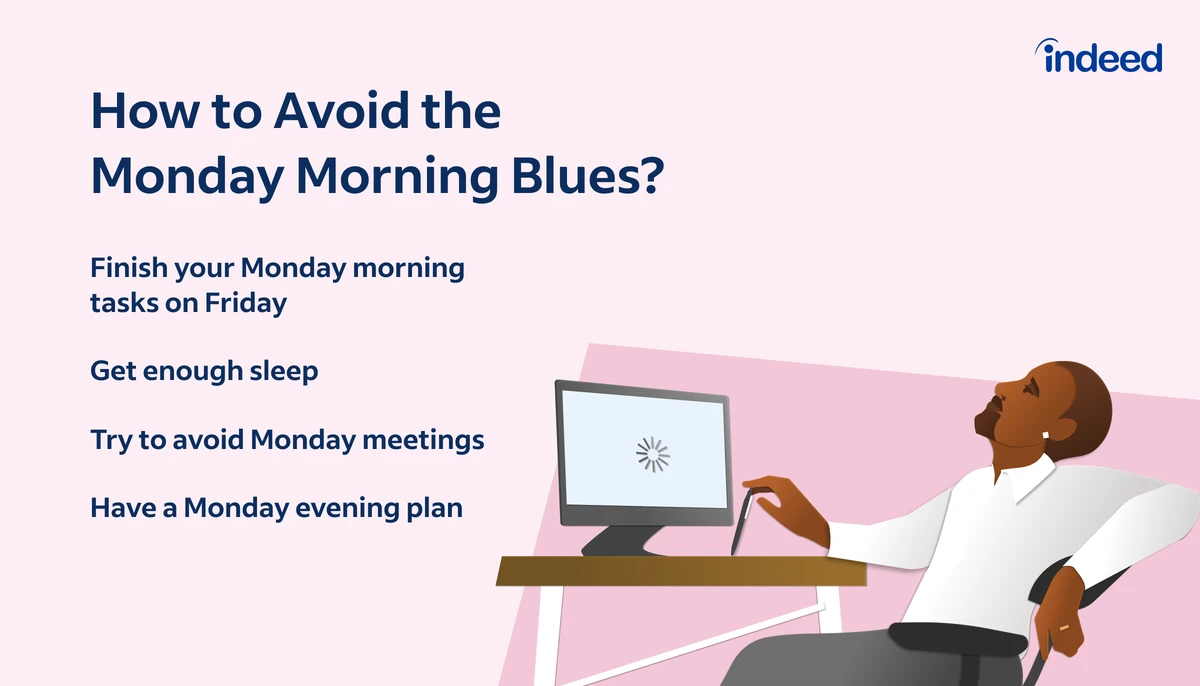
To reduce Monday fatigue, the solution does not lie in “hating Mondays less,” but in maintaining a more consistent daily rhythm. Keeping a stable sleep schedule throughout the week, minimizing drastic lifestyle changes over the weekend, and reserving Monday mornings for lighter tasks can help balance early-week psychology more effectively.
When the body and brain are not forced to “shift gears abruptly,” the heaviness at the start of the week gradually diminishes, and work energy can recover naturally.
>>> Learn more: TOP 10 MOST REPUTABLE HEADHUNTING COMPANIES IN VIETNAM 2026
From the perspective of HRI Vietnam-a company consistently ranked among the Top 10 Headhunting Firms in Vietnam-“Monday fatigue” is no longer merely an individual issue. Instead, it reflects how organizations operate and manage their people. Many companies unintentionally concentrate pressure at the beginning of the week, leaving employees in a constant state of early-week tension.
HRI Vietnam believes that sustainable business growth requires organizations to design healthier work rhythms, distribute workloads more evenly, and pay greater attention to mental well-being. When early-week fatigue is properly managed, long-term performance and team creativity can improve significantly.
“Monday fatigue” is not a sign of weakness; it is a natural response of the body and early-week psychology to modern pressures. By understanding its causes and adjusting daily rhythms appropriately, early-week exhaustion can be reduced—allowing each new week to begin with greater ease, clarity, and proactivity.
Customer Support: hr@hri.com.vn
Hotline: 024 7300 6665